
Introduction to Indian Beauty Ideals
India is a land of immense cultural diversity, and this variety is reflected in its unique beauty standards that have evolved over centuries. Traditionally, Indian beauty ideals have placed great emphasis on clear, radiant skin and harmonious facial features. Historically, lighter skin tone has been associated with notions of beauty and social status, a perspective influenced by ancient texts, regional customs, and even colonial history. In contemporary India, however, there is a growing appreciation for all shades of brown, with many young Indians embracing their natural complexion as part of a broader movement towards self-acceptance and inclusivity.
Facial features such as high cheekbones, sharp jawlines, and expressive eyes have also been admired across different regions. The definition of ideal beauty often varies from North to South India, yet the desire for healthy, glowing skin and well-defined facial structure remains universal. Today’s beauty trends combine traditional wisdom—like Ayurvedic skincare rituals—with modern treatments aimed at enhancing skin tone and achieving a youthful, lifted appearance. Understanding these evolving ideals is key to analysing the popularity of skin tone and face lifting treatments in the Indian market.
2. Popular Skin Tone Treatments in India
In India, achieving an even and radiant skin tone is a key aspect of beauty routines, influenced by traditional beliefs and modern aspirations. From age-old Ayurvedic remedies to cutting-edge dermatological procedures, Indian consumers have access to a wide range of skin tone treatments. Below is an analysis of the most popular methods:
Ayurvedic Remedies
Ayurveda, the ancient Indian system of medicine, remains highly respected for its holistic approach to skincare. Herbal formulations, such as turmeric, sandalwood, and saffron-based masks, are commonly used to enhance complexion and promote natural glow. These treatments are preferred for their minimal side effects and alignment with cultural values.
Fairness Creams and Lotions
Fairness creams have long been a staple in Indian households. Brands like Fair & Lovely and Himalaya offer products that claim to lighten skin tone through ingredients such as niacinamide, licorice extract, and vitamins. While these products remain popular, there is growing awareness about embracing diverse skin tones and questioning fairness-centric marketing.
Modern Dermatological Procedures
With increasing urbanization and disposable income, many Indians are turning to professional treatments for quicker results. Some common procedures include:
| Treatment Type | Description | Popularity |
|---|---|---|
| Chemical Peels | Exfoliate dead skin cells to reveal brighter skin underneath; often customized for Indian skin types. | High in urban areas |
| Laser Therapy | Targets pigmentation issues like sun spots or melasma using advanced laser technology. | Rising among professionals |
| Microdermabrasion | Mild abrasive treatment to improve overall texture and tone. | Moderate popularity |
| Skin Lightening Injections (Glutathione) | Controversial but increasingly sought after for fast results; requires expert supervision. | Niche segment |
Cultural Perspectives and Evolving Trends
The concept of fair skin has deep historical roots in India, but societal attitudes are gradually shifting. There is now greater acceptance of all complexions, with campaigns promoting #DarkIsBeautiful gaining traction. Nevertheless, the demand for skin tone treatments persists, balancing tradition with modernity.

3. Face Lifting and Anti-Aging Trends
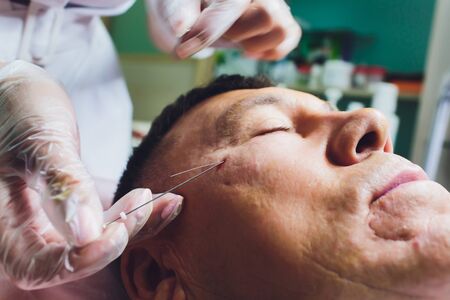
When it comes to face lifting and anti-aging trends in India, there has been a noticeable shift in the preferences of beauty enthusiasts across different age groups. Traditionally, Indian beauty rituals emphasised natural remedies—like haldi (turmeric) masks or aloe vera—but modern advancements have made non-invasive and surgical treatments more accessible and desirable. Among non-invasive options, treatments like HIFU (High-Intensity Focused Ultrasound), thread lifts, and radiofrequency skin tightening have gained traction among urban millennials and Gen Z professionals who seek visible results without downtime. These procedures are often promoted by dermatologists in metropolitan cities such as Mumbai, Bengaluru, and Delhi, where awareness about global trends is high. Surgical face lifting procedures, such as mini facelifts or full facelifts, remain popular among those above 40 years who wish for longer-lasting effects and are willing to invest in advanced clinical solutions. Acceptance of these treatments also depends on social factors: in conservative communities, subtle enhancements are preferred to maintain a natural look that aligns with cultural values around ageing gracefully. However, younger Indians are increasingly open to experimenting with minimally invasive treatments after seeing influencers and Bollywood celebrities endorse such procedures. Overall, the Indian market exhibits a unique blend of tradition and modernity—while age-old home remedies still hold a special place, there is a growing acceptance of clinical face lifting treatments that promise effective anti-aging benefits tailored for Indian skin tones.
4. Cultural Influences and Societal Perceptions
Indias beauty standards for skin tone and facial aesthetics are deeply rooted in centuries-old cultural beliefs, social hierarchies, and media representation. These influences collectively shape the preferences for lighter skin tones and sharper facial features, driving the demand for skin tone correction and face lifting treatments.
Cultural Beliefs and Historical Context
Indian society has traditionally associated fair skin with notions of purity, prosperity, and higher social standing. This bias is reflected in literature, matrimonial ads, and even classical art forms where protagonists often possess lighter complexions. Such cultural ideals have contributed to a persistent demand for fairness creams and treatments designed to lighten the skin.
Media Influence on Beauty Ideals
The Indian film and fashion industry play a significant role in propagating certain beauty ideals. Celebrities, models, and influencers with lighter skin tones and sculpted jawlines are often perceived as more attractive or successful. This representation, amplified by television commercials and digital media, sets aspirational standards that many strive to achieve through cosmetic procedures.
Societal Pressures and Modern Trends
The pressure to conform to these standards can be particularly intense during important life events such as weddings or public celebrations. Families may encourage or even expect individuals—especially women—to invest in treatments that promise fairer skin or enhanced facial contours. Over time, this has led to a surge in both over-the-counter products and professional aesthetic services across urban India.
Comparison of Influencing Factors
| Influence | Description | Impact on Beauty Preferences |
|---|---|---|
| Cultural Beliefs | Historical association of fair skin with status and desirability | Increased preference for lighter skin tones; popularity of fairness products |
| Media Representation | Frequent portrayal of fair-skinned celebrities as beauty icons | Normalization of light skin and sharp features as beauty ideals |
| Societal Pressures | Expectations around major life events (e.g., weddings) | Greater uptake of cosmetic treatments for face lifting and skin lightening |
This interplay between tradition, modern media, and societal expectations continues to evolve, influencing not only individual choices but also the broader trends in Indias beauty industry.
5. Safety, Regulations, and Ethical Considerations
Understanding Treatment Safety in India
When it comes to skin tone lightening and face lifting treatments in India, safety remains a major concern for both clients and practitioners. The Indian market is filled with a variety of products and procedures, ranging from ayurvedic solutions to advanced clinical therapies. However, the efficacy and safety of these treatments can vary widely. Many Indians are turning towards minimally invasive options like HIFU (High-Intensity Focused Ultrasound) and radiofrequency face lifts, but it is essential to consult qualified dermatologists or certified clinics to avoid side effects such as burns, pigmentation changes, or scarring. For skin tone treatments, unregulated creams containing harmful ingredients like hydroquinone or mercury are still available in some markets, making consumer awareness critical.
Regulatory Environment in India
The regulatory framework for aesthetic treatments in India has been evolving rapidly. The Central Drugs Standard Control Organisation (CDSCO) regulates medical devices and certain cosmetic ingredients, while the Food Safety and Standards Authority of India (FSSAI) oversees nutricosmetics. However, gaps still exist in the enforcement of rules regarding over-the-counter fairness creams and imported beauty devices. The government has taken steps to ban advertisements promoting fairness as a symbol of success or superiority, yet monitoring remains challenging due to the vastness of Indias beauty industry.
Ethical Debates on Beauty Standards
The popularity of skin tone modification and face lifting raises important ethical questions within Indian society. Beauty ideals are deeply influenced by Bollywood films, matrimonial ads, and social media trends that often associate lighter skin or youthful features with higher social status or desirability. This cultural narrative sparks debates about fairness, inclusivity, and self-acceptance. Activists and thought leaders are increasingly calling out the problematic nature of equating fair skin with beauty. Brands now face growing pressure to celebrate diverse complexions and move away from terminology that perpetuates bias or discrimination.
Promoting Responsible Choices
As Indian consumers become more informed, there is a visible shift towards demanding transparent labelling, ethical marketing practices, and holistic approaches that prioritise skin health over unrealistic beauty standards. Both consumers and providers must continue to advocate for regulated products and evidence-based treatments to ensure safety while fostering a culture that values all shades and ages of beauty.
6. Future Directions in Indian Beauty Trends
Predictions for Skin Tone & Face Lifting Treatments
As India’s beauty landscape evolves, the future of skin tone and face lifting treatments is set to be influenced by global trends, advanced technologies, and a shift in local perceptions towards natural beauty. Here’s how these factors are likely to shape the next chapter of Indian beauty:
Global Trends Blending with Local Preferences
Indian consumers are increasingly exposed to international beauty standards through social media and Bollywood. While fair skin has historically been prized, there is a growing celebration of diverse skin tones, fueled by global inclusivity movements. Brands are likely to develop products and treatments that cater to all shades—from wheatish to deep brown—while still respecting traditional preferences.
Technological Advancements Driving Personalisation
The rise of non-invasive face lifting methods—such as HIFU (High-Intensity Focused Ultrasound), thread lifts, and laser therapies—is expected to continue. These technologies offer visible results without downtime, making them popular choices among urban Indians. In the future, AI-powered skin analysis and customised treatment plans will empower clinics to address individual needs more precisely, ensuring better outcomes for all skin types and tones.
Changing Attitudes: From Fairness Obsession to Healthy Skin
Younger generations in India are moving away from fairness-focused narratives towards holistic skincare. This mindset shift encourages demand for treatments that promote even skin tone, radiance, and firmness rather than just lightening. Homegrown brands will likely embrace Ayurvedic ingredients alongside cutting-edge actives to deliver solutions that resonate with Indian values.
Sustainability and Accessibility on the Horizon
Sustainable beauty practices are gaining traction, with eco-friendly packaging and cruelty-free formulations becoming mainstream. Additionally, accessibility will improve as advanced treatments become available beyond metro cities, reaching tier 2 and 3 towns through teleconsultations and franchise clinics.
The Road Ahead
In summary, India’s approach to skin tone and face lifting treatments will reflect a fusion of tradition and innovation. As technology advances and attitudes evolve, the market will celebrate authentic Indian beauty while offering safe, effective solutions tailored for every individual. The journey ahead promises inclusivity, personalisation, and a renewed focus on confidence over conformity.