
Overview of Anti-Ageing Trends in India
Anti-ageing facial therapies have gained remarkable traction in India over the past decade, with Maharashtra, Punjab, and South India emerging as prominent hubs for such treatments. The rising middle class, increasing awareness about skincare, and global exposure through digital media are fuelling this trend. In Maharashtra, especially in Mumbai and Pune, the cosmopolitan lifestyle has led to a surge in demand for non-invasive facial rejuvenation solutions. Residents here are influenced by Bollywood culture and often seek therapies that promise youthful skin with minimal downtime.
In Punjab, the narrative is shaped by a strong emphasis on personal grooming and looking presentable at social functions and family gatherings. Here, anti-ageing facials are not just about reversing signs of ageing but also about maintaining a radiant complexion that aligns with local beauty standards. Men and women alike invest in skin-brightening and tightening therapies before major events like weddings or festivals.
South India, known for its rich heritage of Ayurveda and natural remedies, presents a unique blend of traditional and modern approaches to anti-ageing. While cities like Bengaluru and Chennai see high demand for advanced aesthetic treatments, there is still a strong inclination towards herbal facials and therapies that incorporate indigenous ingredients like turmeric, sandalwood, and coconut oil. The region’s humid climate also influences preferences—therapies here often focus on hydration, sun protection, and combating pigmentation caused by sun exposure.
Across these regions, anti-ageing therapies reflect not only the desire to look younger but also deep-rooted cultural attitudes towards self-care and wellness. Local preferences shape the popularity of specific treatments—from gold facials in Punjab to fruit enzyme peels in South India—demonstrating how India’s diversity is mirrored even in skincare trends.
Traditional Approaches: Ayurveda and Herbal Treatments
When discussing popular anti-ageing facial therapies in Maharashtra, Punjab, and South India, it is impossible to overlook the time-honoured traditions of Ayurveda and herbal remedies. These regions have a rich heritage of utilising natural ingredients and indigenous rituals that have been passed down through generations. Unlike Western skin treatments that often focus on chemical solutions, the Indian approach is deeply rooted in holistic wellness, using local herbs, oils, and botanicals to promote youthful skin.
The Role of Ayurveda in Facial Therapies
Ayurvedic facials are a cornerstone of anti-ageing skincare across these states. In Maharashtra, for example, Panchakarma-inspired facial massages use herbal pastes and oils tailored to ones dosha (body constitution). Similarly, in Punjab, age-old recipes incorporating turmeric, sandalwood, and rosewater are widely used for their rejuvenating properties. South India stands out with its use of coconut oil, vetiver roots, and tulsi leaves in facial masks and scrubs.
Indigenous Ingredients & Their Benefits
| Region | Popular Ingredients | Anti-Ageing Benefits |
|---|---|---|
| Maharashtra | Kumkumadi oil, Amba Haldi (mango turmeric), Saffron | Brightens complexion, reduces fine lines, enhances radiance |
| Punjab | Besan (gram flour), Malai (fresh cream), Rose petals | Deep cleansing, moisturising, soothes inflammation |
| South India | Coconut oil, Vetiver root powder, Tulsi (holy basil) | Nourishes skin barrier, cools the skin, fights free radicals |
Cultural Rituals & Modern Adaptations
These therapies are more than just skincare routines; they are cultural rituals—often performed during festivals or significant life events like weddings. Today, many urban salons in Mumbai, Chandigarh, and Chennai have adapted these ancient methods into modern spa experiences. For instance, an Ayurvedic facial in Bangalore might include a face steam with neem leaves followed by a sandalwood mask—blending tradition with contemporary techniques. This seamless integration has helped maintain the relevance of traditional therapies amidst new trends in anti-ageing solutions.

3. Modern Aesthetics: Clinical and Spa-Based Therapies
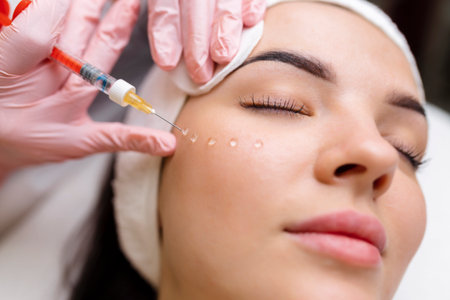
In the urban centres of Maharashtra, Punjab, and South India, there is a significant rise in demand for clinical and spa-based anti-ageing facial therapies. With an increasing focus on personal appearance, professionals and millennials alike are turning to dermatology-driven treatments to maintain youthful skin. Treatments such as botox and dermal fillers have become mainstream in cities like Mumbai, Pune, Chandigarh, Hyderabad, and Bengaluru. These minimally invasive procedures are popular among both men and women seeking quick results with minimal downtime.
Chemical peels are another favourite, especially for those dealing with pigmentation and uneven skin tone caused by the harsh Indian sun. Leading dermatology clinics in cities like Kochi and Chennai offer advanced peels tailored for Indian skin types, ensuring safety and efficacy. Urban spas have also upped their game by introducing medical-grade facials that use technologies like microdermabrasion, laser resurfacing, and radiofrequency skin tightening. These treatments promise instant glow and long-term benefits, making them highly attractive to the working population and socialites.
The influence of Bollywood celebrities and social media influencers further fuels this trend. It is not uncommon for clients to request signature treatments promoted by stars or trending online. Word-of-mouth within affluent circles in places like Bandra or Jubilee Hills often determines which clinic or spa sees the most footfall. Local practitioners blend international techniques with products suited for Indian skin sensitivity, ensuring global standards are met without compromising on comfort or cultural preferences.
While these modern therapies come at a premium price point, the assurance of visible results justifies the investment for many. Loyalty programmes and EMI options offered by leading clinics make it easier for urban Indians to access cutting-edge anti-ageing solutions without financial strain. As awareness grows about preventive skincare, men are increasingly joining women in booking appointments for clinical facials, challenging old stereotypes about grooming in Indian society.
Ultimately, the growing adoption of clinical and spa-based anti-ageing therapies in Maharashtra, Punjab, and South India highlights a shift towards proactive self-care. Whether it is through lunchtime botox sessions or luxurious spa rituals using ayurvedic-infused serums combined with advanced technology, urban Indians now have a plethora of options to preserve their youthful radiance while staying rooted in their cultural identity.
4. Popular Home Remedies and DIY Solutions
When it comes to anti-ageing, households across Maharashtra, Punjab, and South India have trusted their own kitchen secrets for generations. These home remedies often use locally available, everyday ingredients that are deeply rooted in regional culture and tradition. Let’s explore how these simple DIY solutions form an integral part of daily skincare routines.
Maharashtra: Harnessing the Power of Natural Ingredients
In Maharashtra, natural oils like coconut oil and almond oil are frequently used for facial massage to promote skin elasticity. Turmeric (haldi) is another staple, celebrated for its anti-inflammatory and brightening effects. Many locals combine turmeric with gram flour (besan) and milk to make a face pack that combats signs of ageing and imparts a natural glow.
Punjab: Richness of Dairy & Grains
Punjab’s anti-ageing home care revolves around dairy products and grains. Malai (fresh cream) is commonly applied as a moisturizer to keep the skin soft and supple. Wheat flour mixed with honey serves as an exfoliating scrub. These remedies not only nourish the skin but also reflect Punjab’s agricultural heritage where such ingredients are easily available.
South India: The Goodness of Herbal Pastes
South Indian households favour herbal pastes using ingredients like sandalwood, tulsi (holy basil), and aloe vera. Applying a paste of sandalwood powder mixed with rose water is a popular ritual for cooling the skin and reducing fine lines. Coconut oil remains a go-to solution for daily facial massages due to its deep moisturizing properties.
Common Home Remedies Across Regions
| Region | Key Ingredients | Popular Remedy |
|---|---|---|
| Maharashtra | Turmeric, Gram Flour, Coconut Oil | Turmeric & Besan Face Pack |
| Punjab | Malai, Honey, Wheat Flour | Malai Moisturizer & Honey Scrub |
| South India | Sandalwood Powder, Tulsi, Aloe Vera | Sandalwood Paste & Coconut Oil Massage |
Cultural Significance in Daily Routines
These remedies are not merely beauty hacks; they hold cultural significance and are often passed down through generations as part of family traditions. In many homes, applying these homemade packs is woven into daily or weekly routines—sometimes as bonding rituals among women in the family or even during festivals and special occasions. Such practices underline the importance of local wisdom in maintaining youthful skin while celebrating the rich heritage of Maharashtra, Punjab, and South India.
5. Cultural Influences and Perceptions of Ageing
In India, the way people perceive ageing and beauty is deeply rooted in local culture, festivals, and traditions. This is especially true in regions like Maharashtra, Punjab, and South India, where each area has its own unique approach to anti-ageing facial therapies and self-care routines.
Role of Festivals and Rituals
Maharashtra’s vibrant Ganesh Chaturthi or Punjab’s colourful Lohri are not just social events but moments when personal grooming and appearance become priorities. Women and men alike invest in anti-ageing facials before such festivals, believing that glowing skin symbolises health, prosperity, and respect for tradition. In South India, festivals like Pongal often see families preparing herbal face packs passed down through generations, using ingredients like turmeric and sandalwood that are thought to delay signs of ageing.
Traditional Notions of Beauty
The traditional concept of beauty varies across these regions. In Maharashtra, a radiant complexion is highly valued, prompting many to opt for facials with marigold or saffron extracts—ingredients celebrated in local lore for their youthful effects. Punjab’s agricultural legacy means there’s a strong trust in dairy-based facials like malai (cream) masks for softness and rejuvenation. Meanwhile, in South India, coconut oil massages and natural fruit-based facials remain popular because they align with Ayurvedic principles cherished in the region.
Regional Differences in Self-Care Choices
The approach towards anti-ageing is also shaped by climate and lifestyle. The humid weather in South India makes lightweight, cooling therapies popular, whereas the drier climate of Punjab pushes people towards hydrating treatments. Maharashtra strikes a balance between both extremes with multi-step facials that address pollution-related skin issues common in urban centres like Mumbai.
Modern Trends Meet Tradition
Across all three regions, younger generations are blending global trends with ancestral wisdom. It’s now common to see gold-infused or oxygen facials offered alongside traditional home remedies during wedding seasons or important family gatherings. Ultimately, the choice of anti-ageing facial therapy reflects a blend of personal aspiration, cultural identity, and the timeless desire to present one’s best self during life’s special moments.
6. Integration of Western and Indian Therapies
In recent years, the beauty and wellness landscape in Maharashtra, Punjab, and South India has witnessed a remarkable evolution with the seamless integration of Western anti-ageing facial therapies and traditional Indian methods. This trend is not just about bringing global technologies to India, but about blending them thoughtfully with time-tested Ayurvedic and herbal practices unique to each region.
Fusion Treatments: The Best of Both Worlds
Many renowned wellness centres and luxury spas now offer fusion facials that combine advanced international techniques like microdermabrasion, chemical peels, or LED therapy with Indian ingredients such as turmeric, saffron, sandalwood, and neem. For example, you might find a facial that starts with a gentle European exfoliation followed by an ayurvedic massage using local oils tailored for your dosha type. Such hybrid experiences have gained popularity among both men and women seeking visible results while staying connected to cultural roots.
Medically-Backed Wellness Centres: Trust Meets Tradition
The rise of medically-backed wellness centres—especially in metro cities like Mumbai, Pune, Chandigarh, Bengaluru, and Chennai—has been a game changer. These centres employ dermatologists and skincare experts who customise anti-ageing regimens by assessing skin types common among Indians and recommending treatments that mix scientific advances with native wisdom. Whether it’s combining Botox with herbal face packs or integrating laser treatments with yoga-inspired facial exercises, clients get comprehensive care under one roof.
Cultural Acceptance & Growing Awareness
This blending of approaches is breaking stereotypes around anti-ageing therapies being ‘too western’ or ‘unnatural’. Today’s urban Indian is well-informed and seeks evidence-based solutions without compromising on tradition. With social media influencers and celebrities openly advocating these integrated therapies, awareness is spreading rapidly—even in tier-2 cities and smaller towns across Maharashtra, Punjab, and South India.
In summary, the fusion of international expertise with indigenous knowledge is driving innovation in anti-ageing facials across these regions. As more Indians embrace this holistic approach, the future promises even more personalised and effective skincare solutions that respect both science and culture.