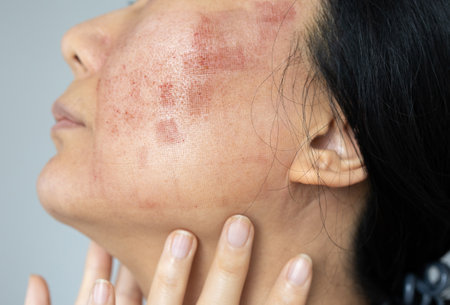

Introduction to Melasma and Its Prevalence in Indian Women
Melasma is a chronic skin condition characterised by symmetrical, blotchy, brownish pigmentation, primarily affecting sun-exposed areas of the face. While melasma occurs globally, its prevalence is notably higher among Indian women due to a combination of genetic, environmental, and cultural factors. Indian skin types, classified commonly as Fitzpatrick skin types IV to VI, are inherently more susceptible to pigmentary disorders like melasma. The intense tropical climate of India, with abundant sunlight and high ultraviolet (UV) exposure year-round, further exacerbates the risk. Additionally, cultural practices such as the use of natural oils or traditional cosmetics can sometimes contribute to skin sensitivity or irritation, predisposing individuals to pigmentation changes. Family history plays a significant role as well; women with close relatives affected by melasma are more likely to develop the condition themselves. In summary, the interplay between India’s unique genetic pool, environmental exposures, and local lifestyle habits has contributed to an increased incidence and distinct presentation of melasma among Indian women.
2. Understanding Hormonal Fluctuations in Indian Women
Hormonal fluctuations play a pivotal role in the development and progression of melasma, especially among Indian women who experience distinct physiological and socio-cultural factors. The primary hormonal phases that contribute to these changes are puberty, pregnancy, and menopause. Each stage is characterized by specific hormonal shifts that can influence skin pigmentation patterns.
Hormonal Changes Across Life Stages
| Life Stage | Key Hormones Involved | Common Triggers in Indian Context | Relevance to Melasma |
|---|---|---|---|
| Puberty | Estrogen, Progesterone, Androgens | Early onset due to nutritional factors, peer pressure for fair skin | Increased melanogenesis leading to initial appearance of pigmentary changes |
| Pregnancy (Chloasma) | High Estrogen & Progesterone | Cultural practices like use of herbal supplements, emphasis on maternal glow | Heightened risk of melasma due to hormonal surges and sun exposure during rituals |
| Menopause | Decline in Estrogen, Increased Gonadotropins | Lack of hormone replacement therapy, reliance on traditional remedies | Pigmentation may persist or worsen due to decreased skin repair mechanisms |
The Socio-Cultural Lens in India
Indian women often face unique socio-cultural expectations regarding their appearance. Fair skin is traditionally considered desirable, which leads to increased attention towards pigmentary disorders such as melasma. Traditional customs—like application of turmeric or sandalwood during festivals and ceremonies—may interact with existing hormonal imbalances, sometimes exacerbating pigmentation. Furthermore, dietary habits, clothing choices (such as wearing saris or dupattas), and frequent outdoor activities can increase sun exposure, further influencing melasma severity.
The Role of Family and Community Influence
The involvement of family elders in health decisions often guides the choice of remedies for pigmentation issues. Advice from mothers and grandmothers frequently involves home-based treatments that may not address underlying hormonal causes. This cultural dynamic highlights the importance of understanding hormonal health within the broader framework of Indian traditions.
Clinical Implications for Dermatologists in India
For healthcare professionals treating melasma in Indian women, it is crucial to consider both the biological and cultural dimensions of hormonal fluctuations. Integrating patient education about the impact of hormones at different life stages—and how these are influenced by lifestyle and cultural practices—can lead to more effective management strategies tailored for the Indian population.
3. Impact of Hormonal Changes on Melasma Development
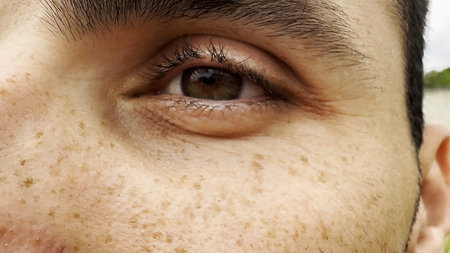
Hormonal fluctuations are among the most significant triggers for melasma in Indian women, with several common scenarios acting as catalysts for this skin condition. Understanding the relationship between hormonal changes and melasma is crucial for both prevention and management, especially considering the unique genetic and environmental factors affecting Indian skin types.
Pregnancy and Chloasma: The Mask of Pregnancy
One of the most well-known associations is between pregnancy and melasma, often referred to locally as “chloasma” or the “mask of pregnancy.” During pregnancy, increased levels of estrogen and progesterone stimulate melanocytes—the pigment-producing cells in the skin—leading to hyperpigmentation, particularly on the face. Many Indian women report first noticing melasma patches during their second or third trimester, and while some cases resolve postpartum, others may persist, requiring medical intervention.
Oral Contraceptives and Hormonal Medications
The widespread use of oral contraceptive pills (OCPs) among Indian women has also contributed to a rise in hormone-induced melasma. OCPs contain synthetic versions of estrogen and progesterone, which can mimic the hormonal environment of pregnancy. Women who are genetically predisposed or have a family history of pigmentation disorders are at higher risk. Discontinuing OCPs may sometimes reduce the severity of melasma, but residual pigmentation often needs targeted dermatological treatment.
Thyroid Disorders: An Overlooked Factor
In India, thyroid imbalances—especially hypothyroidism—are common among women and are increasingly recognized as contributors to melasma. Thyroid hormones interact with melanocyte function, influencing pigmentation patterns. Unmanaged thyroid disorders can exacerbate existing melasma or trigger new onset, making it essential for Indian women experiencing persistent pigmentation to undergo thyroid screening.
Cultural Considerations in Hormonal Influences
It is important to note that cultural practices such as early marriage, repeated pregnancies, and societal reliance on certain medications can further increase exposure to hormonal triggers in India. Additionally, stress—a prevalent factor in urban Indian life—can disrupt hormonal balance, indirectly influencing melasma development.
Recognizing these multifaceted hormonal influences enables healthcare professionals to offer more personalized care for Indian women affected by melasma. Proper counselling about hormonal health, medication choices, and regular screening can go a long way in preventing and managing this challenging skin condition.
4. Lifestyle and Environmental Influences
In the Indian context, lifestyle and environmental factors play a pivotal role in the development and exacerbation of melasma, particularly when combined with hormonal changes. The interplay between these elements can significantly impact the onset, severity, and persistence of melasma in Indian women. This section provides an analytical perspective on how traditional Indian dietary habits, stress levels, sun exposure, and skincare practices interact with hormonal fluctuations to influence this skin condition.
Traditional Indian Diet and Melasma
The typical Indian diet, rich in spices, carbohydrates, and oils, also includes a variety of antioxidants found in fruits and vegetables. While a nutritious diet can offer some protective benefits against oxidative stress, high glycaemic foods may worsen insulin resistance—a factor known to affect hormones and trigger melasma episodes. Additionally, certain deficiencies common in India, such as vitamin B12 or folic acid deficiency due to vegetarian diets, may indirectly contribute to pigmentation disorders.
Table 1: Key Dietary Influences on Melasma in Indian Women
| Dietary Factor | Hormonal Interaction | Effect on Melasma |
|---|---|---|
| High Glycaemic Foods (rice, sweets) | May increase insulin resistance | Potentially aggravates melasma through hormonal imbalance |
| Antioxidant-rich Foods (fruits, turmeric) | Reduces oxidative stress | May offer mild protective effect |
| B12/Folate Deficiency | Affects homocysteine metabolism | Possible association with increased pigmentation |
Stress and Its Hormonal Link
Chronic stress is prevalent among Indian women due to societal expectations and familial responsibilities. Stress elevates cortisol levels, which can disrupt other hormones such as estrogen and progesterone—both closely related to melasma development. The cyclical nature of hormonal changes combined with persistent stress may intensify pigmentation patterns.
Sun Exposure: A Major Environmental Trigger
The tropical climate of India means high ultraviolet (UV) exposure year-round. UV radiation stimulates melanocyte activity—cells responsible for pigment production—and amplifies the effects of estrogen and progesterone on skin pigmentation. Many Indian women are exposed to sunlight during daily chores or commutes without adequate sun protection, increasing their risk for melasma.
Table 2: Sun Exposure Practices and Melasma Risk
| Practice | Cultural Relevance | Impact on Melasma |
|---|---|---|
| No Sunscreen Use | Common in rural areas; cost/awareness barriers | Significantly increases risk and severity of melasma |
| Covering Face with Dupatta/Sari Pallu | Culturally rooted modesty practice | Provides partial physical protection from UV rays |
| Application of Turmeric Masks | Traditional beauty ritual | Mild anti-inflammatory benefits but limited sun protection |
Skincare Practices: Traditional vs Modern Approaches
Many Indian women rely on traditional remedies like sandalwood paste or herbal masks. While these may soothe the skin or reduce inflammation mildly, they do not address the root hormonal causes of melasma. The use of fairness creams containing steroids or hydroquinone—often without medical supervision—can further disturb the skin barrier and aggravate pigmentation if misused.
Key Points:
- Lifestyle factors unique to India—including diet, stress management methods, and sun exposure patterns—interact with hormonal changes to influence melasma outcomes.
- Culturally ingrained skincare habits offer limited preventive value against hormonally triggered melasma.
- A holistic approach combining modern dermatological advice with culturally sensitive education is crucial for effective management among Indian women.
The synergy between lifestyle/environmental influences and hormonal changes underlines the need for tailored prevention strategies addressing the realities of Indian womens lives.
5. Cultural Beliefs and Stigma Associated with Melasma
In the context of Indian society, melasma is not merely a dermatological concern but also a subject deeply intertwined with cultural beliefs and social perceptions. Skin appearance holds significant value in India, where fair and clear skin is often associated with beauty, success, and social acceptance. The presence of melasma, which leads to visible hyperpigmentation on the face, can challenge these conventional beauty standards. As a result, many Indian women experiencing hormonal changes and developing melasma may face social stigma and emotional distress.
Perception of Melasma in Indian Society
Within Indian communities, there is a prevailing notion that flawless skin signifies health and prosperity. Pigmentation disorders like melasma are sometimes misconstrued as signs of poor hygiene or ill health, despite being medically unrelated to such factors. This perception creates an environment where affected women might feel compelled to conceal their condition or avoid social interactions altogether.
Beauty Standards and Social Expectations
The traditional preference for lighter skin tones is further reinforced by media portrayals and matrimonial advertisements that frequently emphasize fair complexion as an ideal trait. Women with melasma may thus experience pressure to seek cosmetic solutions or skin-lightening treatments. These societal expectations can lead to diminished self-esteem and increased anxiety regarding personal appearance.
Common Myths and Misconceptions
There are several myths surrounding melasma in India. Some believe it is contagious or caused by unclean habits, while others attribute it to supernatural causes or past actions (karma). Such misconceptions can hinder early medical intervention and encourage the use of ineffective home remedies or over-the-counter products that may worsen the condition.
Emotional Impact on Women
The emotional burden of melasma should not be underestimated. Many Indian women report feelings of embarrassment, isolation, and frustration due to persistent pigmentation on their face. The stigma attached to visible skin disorders can affect marital prospects, professional opportunities, and overall quality of life. Addressing these psychological aspects is essential when managing melasma in Indian women, particularly those undergoing hormonal changes during pregnancy, menopause, or contraceptive use.
6. Approaches to Management and Prevention in Indian Women
Managing melasma in Indian women requires a comprehensive approach that respects both the scientific evidence and cultural preferences. Hormonal changes, especially those linked to pregnancy, oral contraceptives, and thyroid disorders, significantly influence the severity and pattern of melasma in this population. Effective management strategies should therefore combine modern dermatological treatments with traditional practices familiar to Indian households.
Evidence-Based Treatments
Topical agents such as hydroquinone, tretinoin, and corticosteroids remain the mainstay of clinical treatment for melasma. These agents can be used alone or in combination under dermatological supervision to enhance efficacy and reduce side effects. Newer therapies like azelaic acid, kojic acid, and tranexamic acid are increasingly popular due to their favorable safety profiles, especially in darker skin types typical of Indian women. In-office procedures—such as chemical peels, microdermabrasion, and low-fluence Q-switched Nd:YAG lasers—may also be considered for resistant cases but should be performed by experienced professionals to minimize risk of post-inflammatory hyperpigmentation.
Traditional Home Remedies
Many Indian women turn to home remedies rooted in Ayurveda and local traditions. Commonly used ingredients include turmeric (haldi), sandalwood (chandan), aloe vera, and milk cream (malai), which are believed to lighten pigmentation and soothe the skin. While these remedies may provide mild benefits due to their antioxidant and anti-inflammatory properties, it is important for users to patch-test new preparations and discontinue use if irritation occurs. Some natural ingredients can cause allergies or worsen pigmentation when exposed to sunlight.
Integrating Cultural Practices
Culturally sensitive interventions—such as using herbal face packs, practicing yoga for hormonal balance, and applying traditional oils—can foster better compliance among Indian women. Educating patients about the importance of sun protection is critical; this includes advocating for broad-spectrum sunscreens with at least SPF 30, as well as physical barriers like dupattas or wide-brimmed hats during outdoor activities.
Preventive Strategies
Prevention plays a crucial role in reducing melasma recurrence. Indian women are advised to avoid unnecessary hormonal medications without medical consultation, maintain regular follow-ups with healthcare providers for underlying endocrine conditions, and adopt a balanced diet rich in antioxidants. Lifestyle modifications such as stress reduction through meditation or pranayama may help stabilize hormonal fluctuations contributing to melasma.
In summary, optimal management of melasma in Indian women involves an individualized blend of scientifically validated therapies and culturally relevant practices. Dermatologists should engage patients in shared decision-making, respecting their values while guiding them towards safe and effective interventions tailored to their unique needs.
7. Conclusion and Future Directions
Summary of Key Findings
Melasma is a multifactorial pigmentary disorder that disproportionately affects Indian women due to the unique interplay between hormonal fluctuations, genetic predisposition, and increased melanin activity in darker skin types. Our review highlights the significant impact of hormonal changes—especially those related to pregnancy, oral contraceptive use, and thyroid dysfunction—on the onset and exacerbation of melasma in this population. The tropical Indian climate, with its intense UV exposure, further compounds these effects. Socio-cultural factors, including prevalent beauty standards and common lifestyle practices, also play a role in disease perception and management.
Recommendations for Clinical Practice
- Early identification: Healthcare providers should screen high-risk groups such as pregnant women and those on hormonal therapies for early signs of melasma.
- Culturally sensitive counselling: Patient education should address both clinical aspects and the emotional burden often experienced by Indian women with melasma.
- Tailored treatment plans: Therapeutic strategies must consider skin phototype, hormonal status, and individual preferences to ensure optimal outcomes and adherence.
Highlighting the Need for Further Research
There remains a critical need for large-scale, multicentric studies focusing exclusively on Indian women to better understand the pathophysiological mechanisms underlying hormone-induced melasma within this ethnic group. Such research should also explore culturally relevant prevention methods, effective combinations of topical agents suited for Indian skin, and long-term safety profiles of systemic therapies. Additionally, integrating traditional Indian remedies with evidence-based medical approaches may offer holistic solutions for affected women.
Conclusion
The complex relationship between hormonal changes and melasma in Indian women underscores the importance of context-specific research and individualized care pathways. By bridging current knowledge gaps through dedicated studies, clinicians can empower Indian women with effective strategies to manage melasma and improve their quality of life.