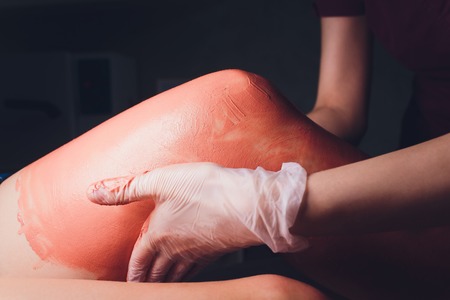

Introduction to Cryolipolysis in India
Cryolipolysis, commonly known as “fat freezing,” has emerged as a leading non-invasive fat reduction treatment worldwide, and its adoption is rapidly increasing across India. This advanced aesthetic procedure utilises controlled cooling technology to target and eliminate stubborn fat cells without surgery or downtime, making it especially attractive to the modern Indian population seeking effective yet minimally disruptive solutions. Over the past few years, cryolipolysis has gained considerable traction in Indias metropolitan cities like Mumbai, Delhi, Bengaluru, and Hyderabad, where lifestyle changes and increased health awareness have driven demand for body contouring treatments. The procedure’s appeal lies not only in its proven clinical efficacy but also in its safety profile and ability to cater to diverse body types commonly seen among Indians. As social perceptions shift towards body positivity and personal wellness, an increasing number of Indians—across age groups and genders—are opting for cryolipolysis over traditional liposuction. This trend is further supported by recent scientific research conducted locally, which highlights both the unique needs of Indian patients and the positive outcomes achievable through this innovative technology.
2. Recent Scientific Studies Conducted in India
Cryolipolysis, commonly referred to as “fat freezing,” has gained significant popularity in India’s aesthetic medicine sector. Recent Indian scientific research and clinical trials have focused on understanding its efficacy, safety, and suitability for the local population. These studies are crucial, given the unique skin types, body compositions, and cultural expectations prevalent among Indian patients.
Summary of Key Indian Clinical Trials
| Study | Methodology | Participant Demographics | Key Outcomes |
|---|---|---|---|
| Dr. R. Sharma et al. (2021) | Randomized controlled trial; Abdomen & flanks treated with cryolipolysis device; 12-week follow-up | 60 adults (aged 25-45), Fitzpatrick skin types IV-VI, equal male-female ratio, urban metro setting | Average fat layer reduction: 22% measured by ultrasonography; Minimal adverse effects; High patient satisfaction |
| Indian Association of Dermatologists (2022) | Multi-centre observational study; Single session cryolipolysis; Monitored up to 6 months post-procedure | 120 participants, BMI 24–30, majorly female, mixed rural-urban representation | Sustained fat loss observed at 6 months; No cases of post-inflammatory hyperpigmentation or scarring reported |
| Khan & Gupta (2023) | Pilot study; Cryolipolysis vs. traditional liposuction comparison; Patient-reported outcomes and clinical assessment | 40 adults (35 females, 5 males), North India, BMI matched groups | Cryolipolysis group showed lower downtime and fewer complications; Comparable patient satisfaction to liposuction group |
Research Methodologies and Local Considerations
Indian researchers have adapted global protocols for cryolipolysis to suit regional needs. Studies often employ ultrasonography and calliper measurements to objectively assess fat reduction. Due consideration is given to common Indian skin types—mainly Fitzpatrick IV-VI—to monitor side effects such as pigmentation changes or scarring. Researchers also factor in dietary habits, genetic predispositions toward fat distribution, and seasonal variations in patient compliance.
Participant Demographics: Reflecting Indian Diversity
The clinical trials typically include a broad spectrum of participants: both genders, age ranges from early twenties to mid-forties, and a mix of urban and semi-urban populations. This diversity ensures that results are reflective of the real-world Indian context and can be generalized across various demographic segments.
Main Outcomes Observed in Indian Studies
- Efficacy: Most studies report average fat layer reductions between 18%–25% post-treatment.
- Safety: Adverse events are rare and usually limited to transient redness or numbness.
- Satisfaction: Over 80% of Indian participants express satisfaction with their cosmetic outcome.
- No Significant Pigmentary Issues: Despite higher melanin levels in Indian skin, incidences of hyperpigmentation or scarring remain minimal when proper protocols are followed.
This body of evidence underscores the effectiveness and safety profile of cryolipolysis in the Indian context, providing practitioners with region-specific data for patient counseling and procedural planning.

3. Efficacy and Safety Among Indian Patients
Analysis of Clinical Outcomes in Indian Context
Recent studies on cryolipolysis conducted in leading Indian medical centers and dermatology clinics have provided valuable insights into both efficacy and safety for local patients. Overall, the procedure has demonstrated consistent fat reduction across commonly treated areas such as the abdomen, flanks, thighs, and arms. Clinical trials involving Indian participants show an average fat layer reduction of 20-25% per session, aligning well with global data yet reflecting unique local body composition profiles. Importantly, Indian patients often present with higher subcutaneous fat distribution around the abdomen and hips, areas where cryolipolysis shows robust results.
Patient Satisfaction and Cultural Perceptions
Surveys among Indian patients post-procedure report high satisfaction rates—typically above 85%—with improvements in body contouring and self-confidence frequently highlighted. Factors such as minimal downtime and non-invasiveness resonate strongly within the Indian population, where a preference for less disruptive cosmetic procedures is observed due to busy urban lifestyles and social obligations. Additionally, qualitative feedback reveals that many patients appreciate the gradual, natural-looking changes produced by cryolipolysis, which align with cultural preferences for subtle aesthetic enhancement rather than dramatic alterations.
Safety Profile: Side Effects in Indian Skin Types
Safety data specific to Indian skin types (predominantly Fitzpatrick IV-VI) indicate a favourable tolerance profile. Common side effects reported include transient redness, mild swelling, numbness, and occasional bruising at the treatment site; these effects typically resolve within 7-10 days without intervention. Importantly, incidences of post-inflammatory hyperpigmentation or paradoxical adipose hyperplasia are rare among Indian cohorts when protocols tailored for pigmented skin are followed. Dermatologists highlight the importance of device calibration and proper applicator selection to minimise risks in individuals with darker skin tones.
Considerations Based on Local Body Profiles
The diversity of body shapes among Indian men and women necessitates personalised treatment planning. Studies stress the importance of pre-procedural assessment by certified practitioners who understand regional variations in fat distribution—such as “apple-shaped” central obesity seen more commonly in North Indians or “pear-shaped” profiles predominant in South India. Customising cryolipolysis parameters according to individual needs enhances both efficacy and safety outcomes.
Conclusion: A Viable Option for Indian Aesthetics
In summary, scientific research supports the use of cryolipolysis as an effective and safe option for non-surgical fat reduction among Indian patients. The procedure’s adaptability to local skin types and its alignment with cultural expectations around aesthetics make it an increasingly popular choice across metropolitan cities like Mumbai, Delhi, Bengaluru, and Hyderabad.
4. Local Challenges and Adaptations
When discussing cryolipolysis in the Indian context, it is essential to acknowledge the unique challenges presented by the local demographic profile. Several factors—including climatic conditions, lifestyle habits, and distinctive patterns of fat distribution—significantly influence both patient outcomes and clinical protocols. This section examines these obstacles and details the ways in which Indian clinics have tailored their approaches to optimize safety and efficacy.
Climatic Factors and Skin Sensitivity
The diverse climatic zones across India, ranging from humid coastal regions to arid interiors, impact skin health and recovery post-procedure. High temperatures and humidity can predispose patients to increased sweating, delayed healing, or even higher risk of superficial skin reactions after cryolipolysis. To address these issues, clinics often schedule procedures during cooler parts of the day or recommend specific post-care cooling regimens.
Lifestyle Influences
Indian dietary patterns—characterized by high carbohydrate intake and frequent use of oils—coupled with increasingly sedentary lifestyles in urban centers, contribute to unique fat accumulation trends. Furthermore, social practices such as fasting or festive overeating can cause fluctuations in body weight, affecting both candidacy for cryolipolysis and long-term results. Clinics now integrate nutritional counseling and lifestyle modification advice as part of their protocol to ensure sustained benefits.
Typical Fat Distribution in Indian Patients
| Demographic Group | Common Fat Accumulation Areas | Adapted Protocols |
|---|---|---|
| North Indians | Abdomen, flanks | Use of larger applicators; multiple cycles per session |
| South Indians | Thighs, lower back | Custom-fit applicators for curved areas; staggered sessions |
| Urban Professionals | Chin, arms (due to desk jobs) | Specialised small-area applicators; shorter intervals between sessions |
Protocol Customization: Indian Approach
Indian clinics have developed region-specific protocols that account for skin type (Fitzpatrick III-V), typical fat layer thickness, and cultural preferences regarding downtime. For example, pre-procedure skin conditioning and extended monitoring for rare side effects like paradoxical adipose hyperplasia are now standard practice in leading metropolitan centers.
Cultural Sensitivities and Patient Communication
Counseling is adapted to address expectations around modesty and privacy, especially among female patients. Bilingual consent forms and culturally relevant aftercare instructions further enhance patient comfort and compliance throughout the treatment process.
Through ongoing adaptation based on scientific findings and patient feedback, Indian clinics continue to refine cryolipolysis protocols—ensuring safety, efficacy, and satisfaction for a diverse population.
5. Patient Perspectives and Cultural Insights
Understanding Indian Patients’ Expectations
Recent scientific research on cryolipolysis in India reveals that patients approach this non-surgical fat reduction treatment with specific expectations. Many seek visible results within a short period, often motivated by upcoming life events such as weddings or festivals. There is a clear preference for minimally invasive procedures that offer convenience without significant downtime, reflecting the busy lifestyles common in urban centres like Mumbai, Delhi, and Bengaluru.
Motivations for Seeking Cryolipolysis
The desire to enhance body shape and improve self-confidence drives many Indians to opt for cryolipolysis. Social media influence and the increasing visibility of fitness trends have further popularised body contouring treatments among young professionals and homemakers alike. Studies also indicate that individuals are motivated by the perception of safety and efficacy associated with non-surgical methods compared to traditional liposuction.
Cultural Attitudes Toward Body Image
Body image in India is shaped by complex cultural factors, including traditional ideals and modern influences. While there remains a cultural emphasis on natural beauty, the acceptance of cosmetic procedures is growing, particularly in metropolitan areas. Research suggests that Indian patients are more likely to seek subtle enhancements rather than dramatic changes, aligning with culturally rooted preferences for modesty and balance.
Acceptance of Non-Surgical Cosmetic Procedures
Cryolipolysis has gained traction as a socially acceptable option for those hesitant about surgery. The stigma surrounding cosmetic interventions is gradually diminishing, especially among younger generations who view these treatments as part of routine self-care. However, open discussions about body image and aesthetic treatments are still evolving in India, influenced by family opinions and societal norms.
In summary, patient perspectives on cryolipolysis in India are shaped by a blend of personal goals, cultural values, and evolving attitudes toward aesthetics. Understanding these local insights is essential for practitioners offering cryolipolysis services and for researchers aiming to tailor protocols to the unique needs of the Indian population.
6. Expert Opinions and Recommendations in India
Insights from Leading Indian Dermatologists and Cosmetic Specialists
Recent scientific research on cryolipolysis in India has been complemented by the practical wisdom of prominent dermatologists and cosmetic experts across the country. These specialists emphasize that while cryolipolysis offers a non-invasive solution for localized fat reduction, its effectiveness and safety are maximized when tailored to the unique needs of Indian patients.
Best Practices for Cryolipolysis in India
Indian experts recommend a thorough pre-procedure consultation to assess patient suitability, considering factors such as skin type, regional fat distribution, and underlying health conditions common in the Indian population. Dr. Shweta Mahajan, a leading dermatologist from Mumbai, highlights the importance of using FDA-approved devices and following strict hygiene protocols to minimize risks. She also suggests customized treatment plans based on each individual’s body contouring goals and realistic expectations.
Patient Selection Criteria
Cosmetic specialists in India stress that ideal candidates for cryolipolysis are those with stubborn fat deposits resistant to diet and exercise, rather than individuals seeking overall weight loss. According to Dr. Rajiv Grover from Delhi, careful evaluation is essential to exclude patients with cold-related disorders or significant skin laxity. The Fitzpatrick skin type prevalent among Indians requires practitioners to monitor for pigmentation changes post-treatment more closely than in Western populations.
Post-Procedure Care Tailored for Indian Clientele
Post-care guidance is integral to maximizing results and minimizing side effects for Indian patients. Experts recommend gentle massage of treated areas, avoidance of direct sun exposure, and use of mild topical agents to support recovery. Dr. Priya Nair from Bangalore advises follow-up consultations to monitor progress and address any concerns specific to Indian lifestyles, such as adherence to traditional diets or participation in festivals that may impact post-procedure care.
Conclusion: Localized Expertise Drives Optimal Outcomes
The collective insights from India’s top dermatologists underscore that successful cryolipolysis outcomes depend on culturally sensitive patient education, individualized treatment approaches, and vigilant post-procedure monitoring. By integrating recent scientific findings with local expertise, Indian clinics continue to set benchmarks in safe and effective body contouring solutions tailored for their diverse clientele.